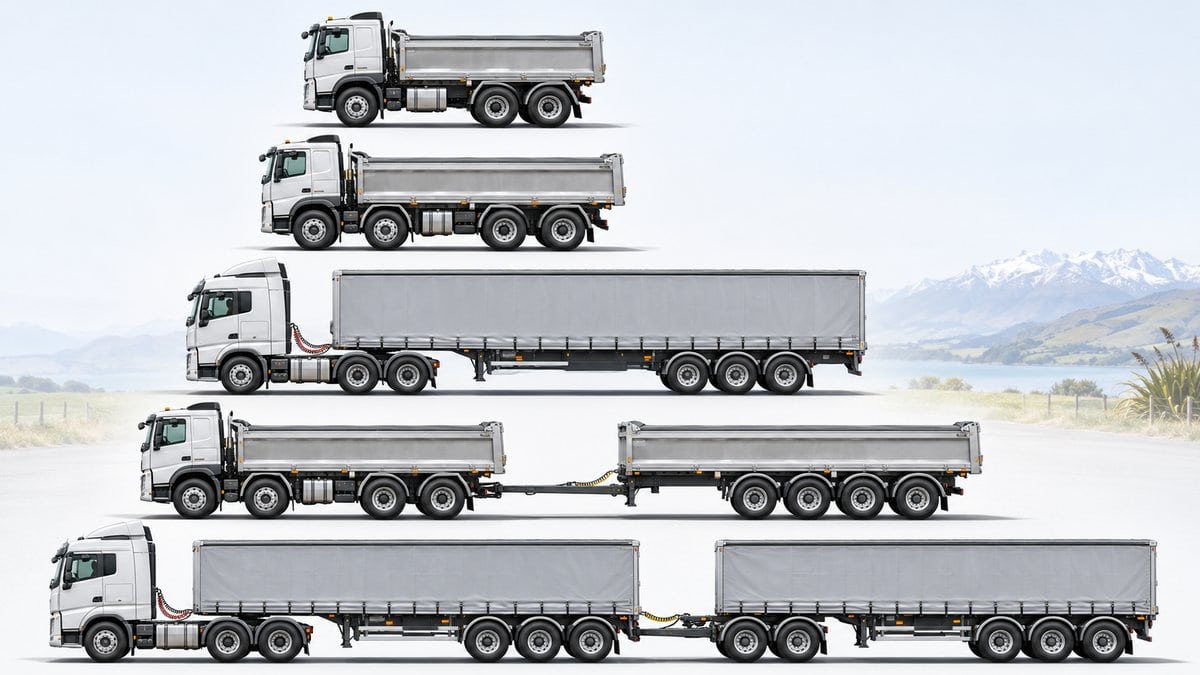
Walk around any New Zealand transport yard and you will hear trucks described in shorthand: a 6×4, an eight-wheeler, a nine-axle B-train, a 50MAX truck and trailer. Each name describes how many axles the vehicle has, how they are grouped, and how much it can legally carry. This guide explains every common New Zealand truck and trailer configuration, what the numbers mean, and where the weight limits bite.
How to read an axle configuration (6×4, 8×4 and friends)
The two numbers describe the truck itself, not the trailer. The first number is the total count of wheel positions, and the second is how many of those are driven. Dual tyres count as one wheel position.
- 4×2: two axles, one driven.
- 6×2: three axles, one driven, plus a tag or pusher axle that is often liftable.
- 6×4: three axles, with both rear axles driven as a tandem.
- 8×4: four axles, with twin-steer at the front and a driven tandem at the rear.
Trailers are described by axle count and type: a tri-axle semi, a four-axle full trailer, a nine-axle B-train (counting every axle in the combination).
Axle sets: the building blocks of every limit
New Zealand’s Vehicle Dimensions and Mass (VDAM) Rule sets limits for individual axles, for axle sets, and for the whole vehicle. An axle set is a group of axles close enough together to share load: a single, a twin-steer, a tandem, a tri-axle or a quad-axle set. For the most common twin-tyred layouts under general access (Class 1), the headline figures are:
| Axle or axle set | Typical general access limit |
|---|---|
| Single axle, single standard tyres (typical steer) | 6,000 kg |
| Single axle, twin tyres | 8,200 kg |
| Twin-steer set | 11,000 kg |
| Tandem set, twin tyres | 14,500 to 15,500 kg depending on axle spacing (15,000 kg is the most common) |
| Tri-axle set, twin tyres | Up to 18,000 kg at the widest spacing |
| Gross combination, general access | 44,000 kg |
Two points catch operators out. First, the limits change with tyre size and the distance between axles, so two trucks that look alike can have different legal weights. Second, gross weight is also capped by the distance from the first axle to the last, which is why longer combinations carry more.
The main New Zealand configurations
4×2 and 6×2 rigid trucks
The metro delivery and light distribution workhorses. Simple to weigh, but easy to overload on the single rear axle. Read more in our guide to 4×2 and 6×2 trucks.
6×4 rigid trucks
Single steer and a driven tandem. The standard tipper, hook truck and tractor unit layout. See 6×4 trucks explained.
8×4 rigid trucks
Twin-steer plus a driven tandem. The classic New Zealand eight-wheeler, and the usual towing unit for a truck and trailer. See 8×4 trucks explained.
Truck and trailer
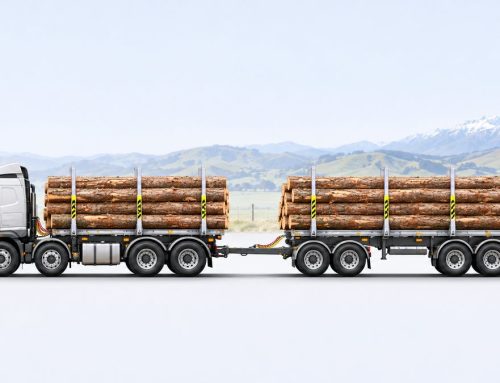
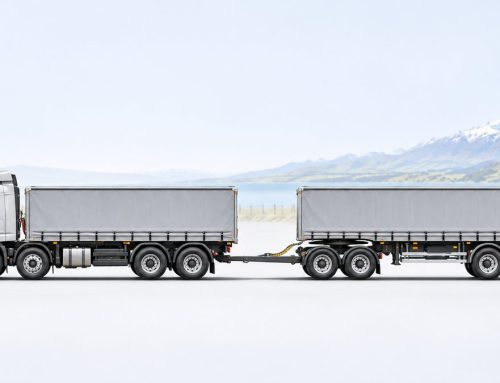
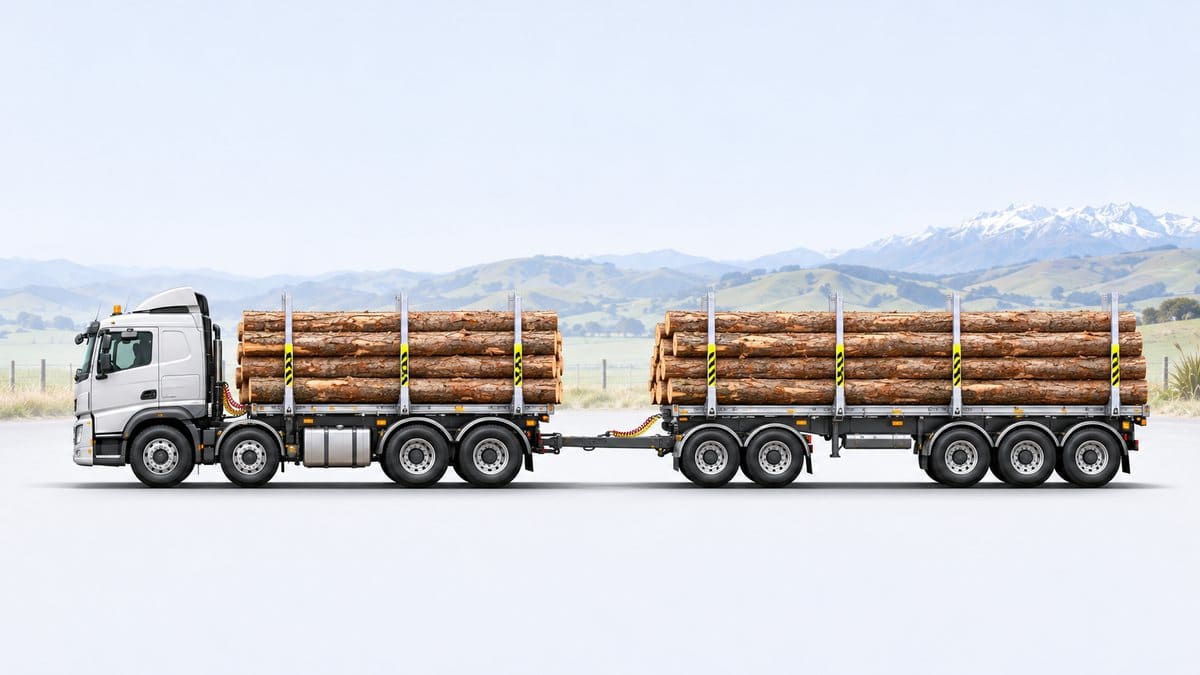
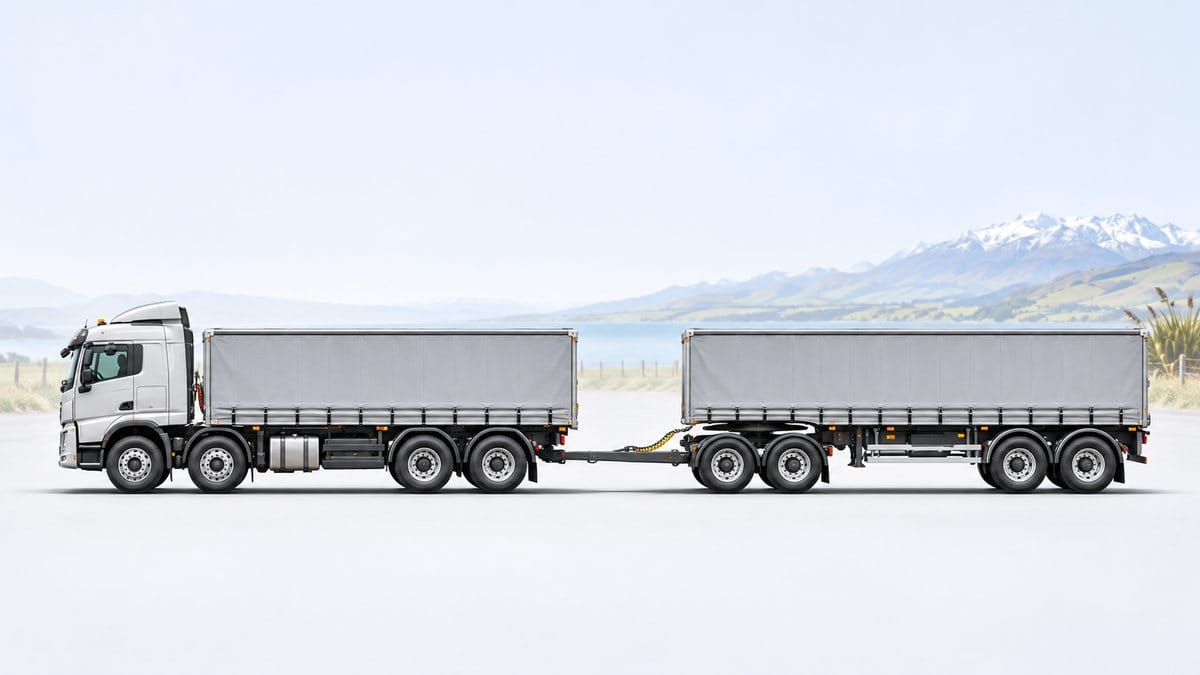
A rigid truck towing a full trailer on a drawbar. An 8×4 with a four-axle trailer is the familiar eight-axle unit, and adding a fifth trailer axle makes a nine-axle 50MAX combination. See truck and trailer combinations.
B-train
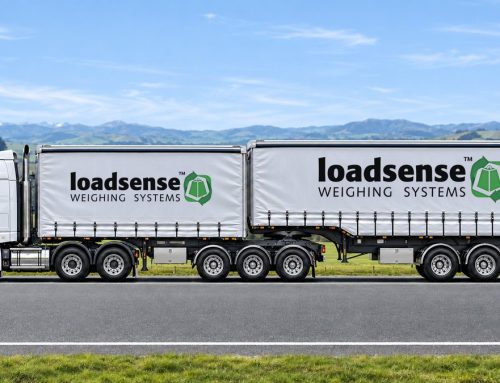
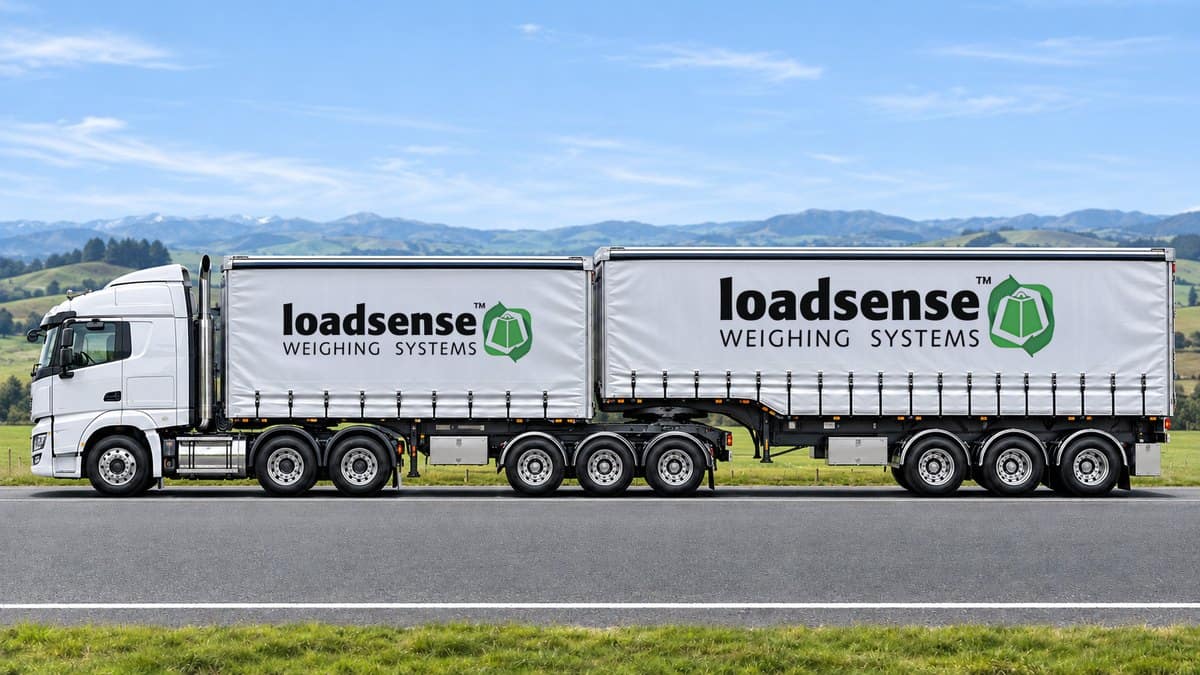
A tractor unit pulling two semi-trailers, with the second trailer coupled to a fifth wheel on the back of the first. Popular for curtain-side freight, containers and bulk. See B-trains explained.
Semi-trailer
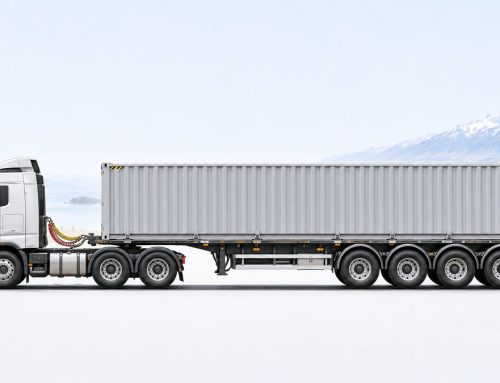
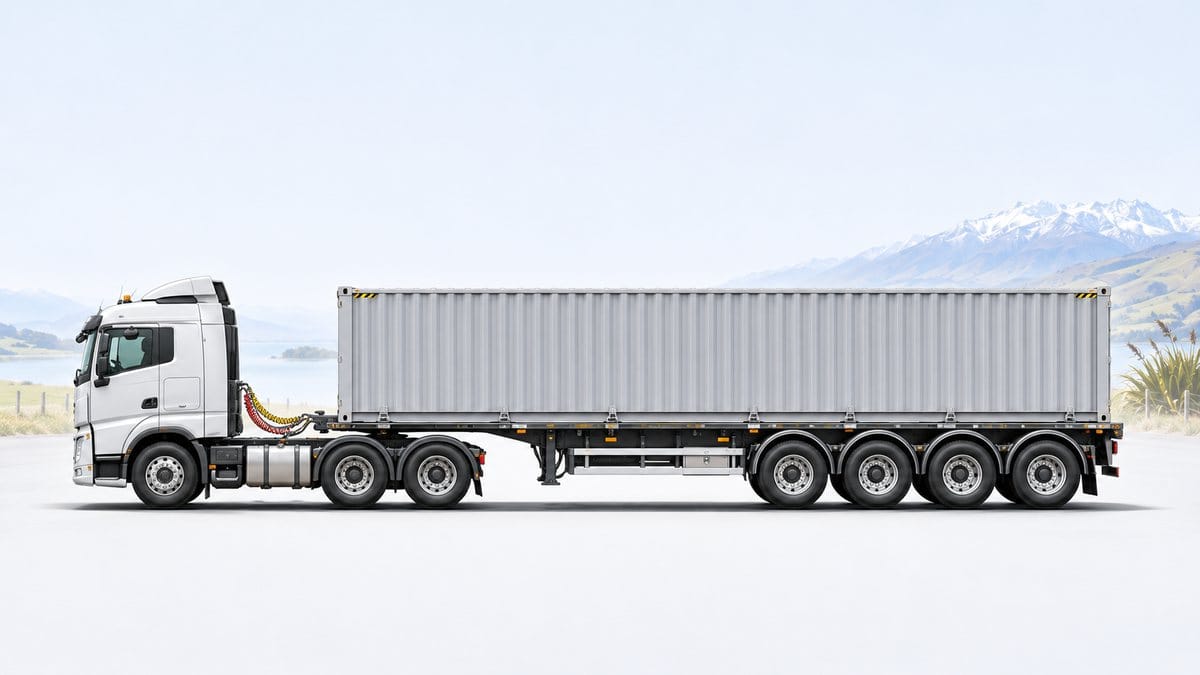
A tractor unit with one tri-axle or quad-axle semi-trailer. Fewer axle groups than a B-train or truck and trailer, which makes load placement over the kingpin critical. See semi-trailer configurations.
50MAX and HPMV
High productivity motor vehicles run above 44 tonnes under permit. 50MAX combinations have nine axles and can run at up to 50 tonnes. See 50MAX and HPMV explained.
Quick comparison
| Configuration | Total axles | Axle groups to weigh | Typical work |
|---|---|---|---|
| 4×2 rigid | 2 | 2 | Metro delivery |
| 6×4 rigid | 3 | 2 | Tippers, hook trucks, mixers |
| 8×4 rigid | 4 | 2 | Tippers, bulk, towing a trailer |
| 6×4 tractor and tri-axle semi | 6 | 3 | Containers, general freight |
| 8×4 truck and four-axle trailer | 8 | 4 | Logs, bulk, livestock, freight |
| B-train | 8 or 9 | 4 | Line haul, containers, bulk |
| 50MAX truck and trailer or B-train | 9 | 4 | High-volume freight under permit |
Why configuration matters when you weigh
A weighbridge ticket that shows a legal gross weight does not prove that every axle group is legal. With weigh-in-motion sites screening axle groups on state highways, a truck can be under 44 tonnes overall and still be flagged because the drive tandem or the rear trailer group is over. The more axle groups in a combination, the more ways a load can sit wrong.
That is why onboard weighing is fitted per axle group. On air suspension, an air pressure sensor is installed for each levelling valve, so a tandem or tri-axle set reads as one group. On mechanical spring suspension, a height sensor measures how far the springs deflect under load. Each trailer has its own sensors, and the readings come together on the driver’s phone.
Frequently asked questions
What is the maximum truck weight in New Zealand without a permit?
The general access (Class 1) maximum is 44,000 kg, and many vehicles are limited to less by their axle count, axle spacing and ratings.
What does 8×4 mean?
Eight wheel positions, four of them driven. In practice it is a four-axle truck with two steering axles at the front and two driven axles at the rear.
What is the difference between a B-train and a truck and trailer?
A B-train is a tractor unit with two semi-trailers joined by fifth wheels. A truck and trailer is a load-carrying rigid truck towing a full trailer on a drawbar.
More in this series
- 4×2 and 6×2 trucks
- 6×4 trucks
- 8×4 trucks
- Truck and trailer combinations
- B-trains
- Semi-trailers
- 50MAX and HPMV
Know every axle group weight before you leave the yard
The Loadsense Titan Pro onboard truck and trailer scale reads each axle group separately and shows the weights on your phone, so you can load to the limit of your configuration with confidence. Try the free axle weight calculator, or contact the Loadsense team on +64 21 447 151 to talk through your truck and trailer setup.
Weights and limits in this article are a general guide, correct to the best of our knowledge in November 2026. Limits depend on tyre type, axle spacing, vehicle ratings and permit conditions, so always confirm against the current Vehicle Dimensions and Mass Rule, NZTA guidance and your own permit. An onboard scale is a loading aid and does not replace a certified weighbridge.