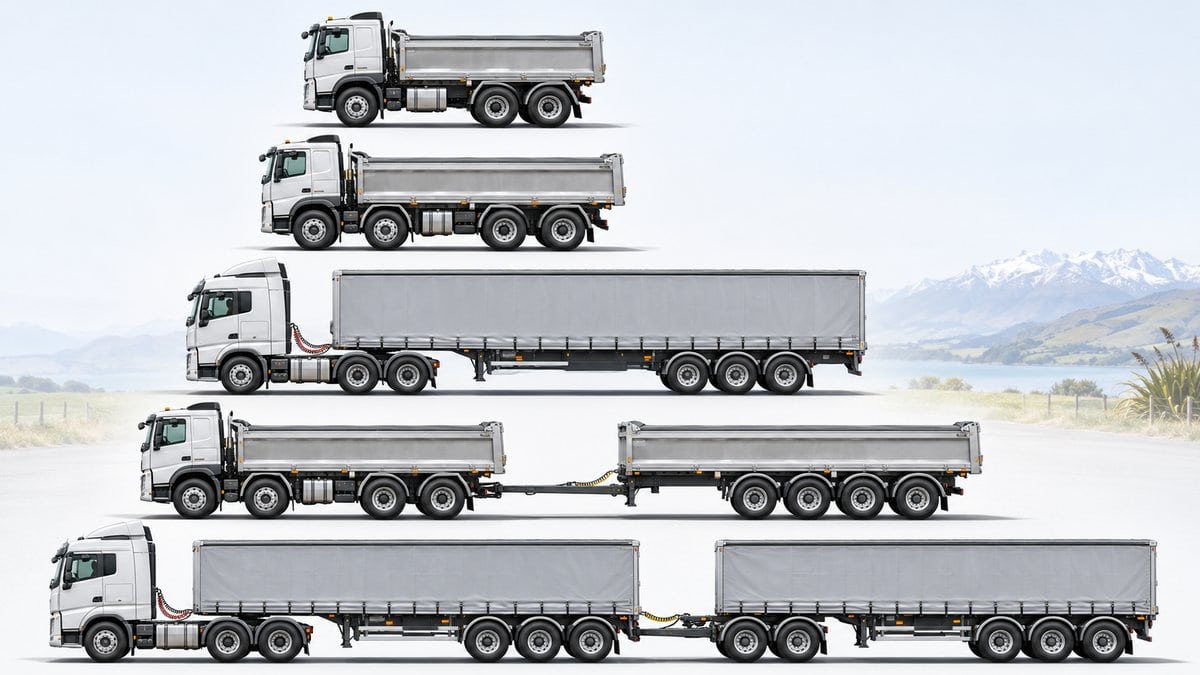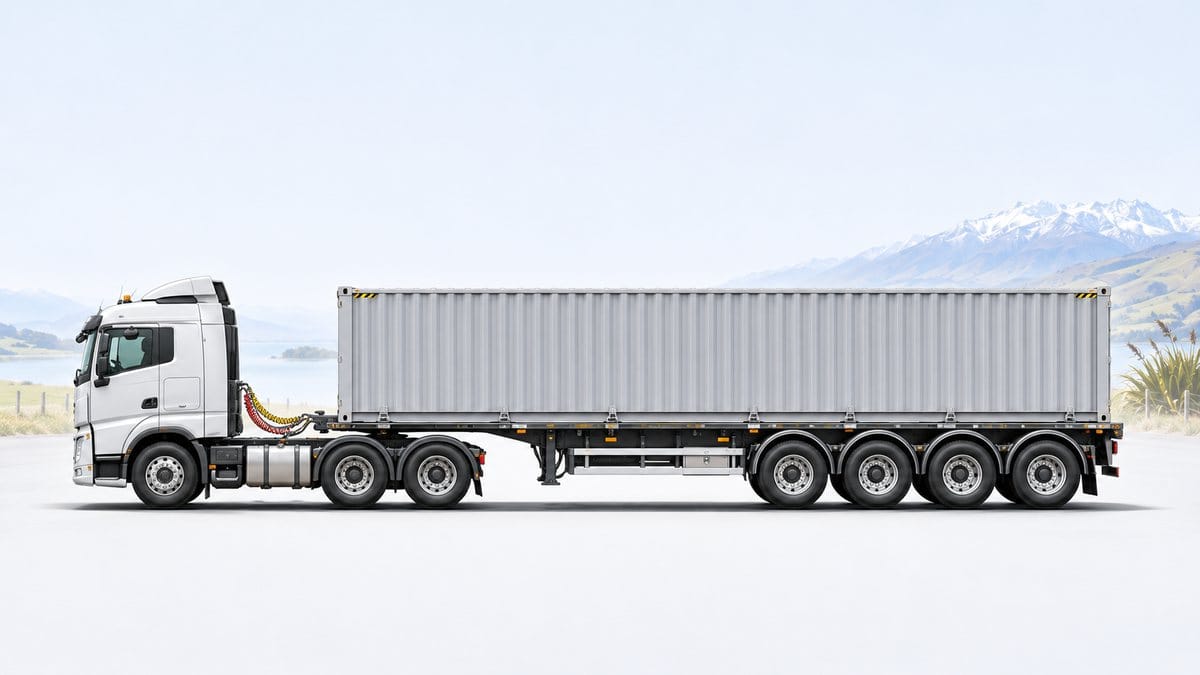
The general access weight limit in New Zealand is 44 tonnes. High productivity motor vehicles, or HPMVs, are trucks permitted to operate above that limit. 50MAX is the best-known type of HPMV permit, and understanding how the two fit together helps when choosing a configuration.
What is 50MAX?
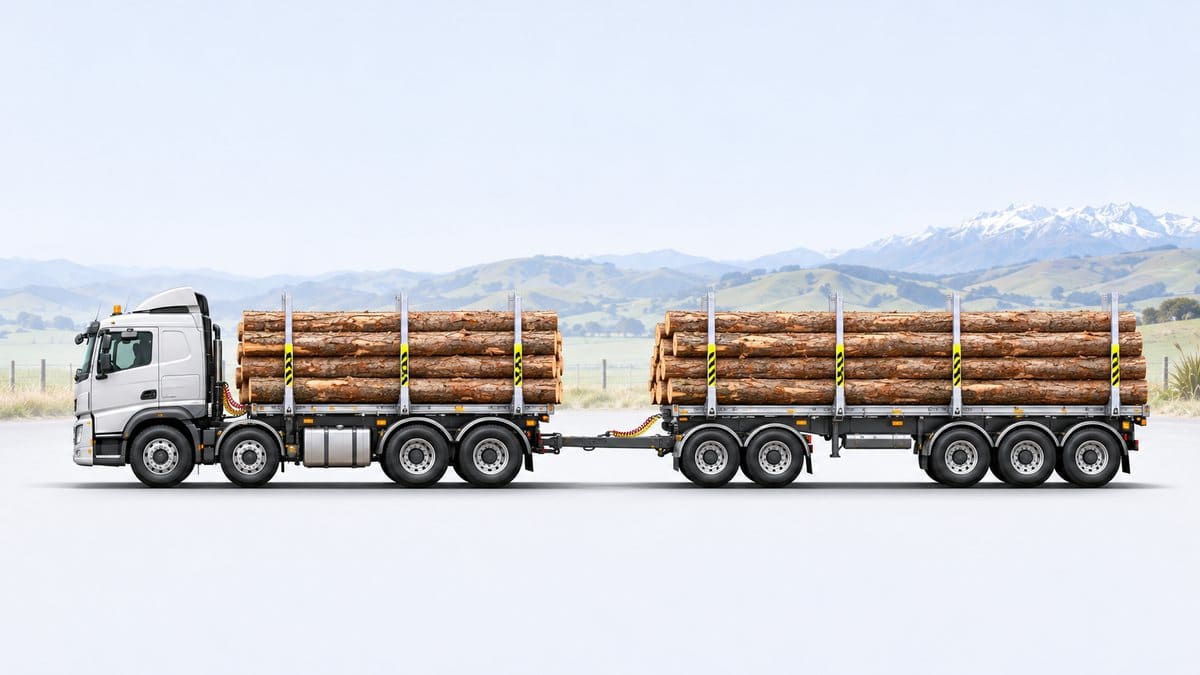
A 50MAX combination has nine axles, one more than a conventional 44-tonne unit, and can have a total weight of up to 50 tonnes. Because the load is spread across the additional axle, NZTA says there is no additional road wear per tonne of freight. That is what allows 50MAX vehicles much wider network access than other vehicles above 44 tonnes.
A 50MAX vehicle must match an approved pro-forma design and must hold a permit. Permits are issued for North Island and South Island regions and cover roads in those regions other than restricted structures and local roads that have been excluded.
Which configurations qualify?
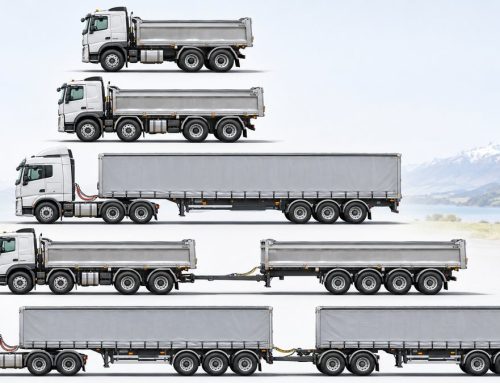
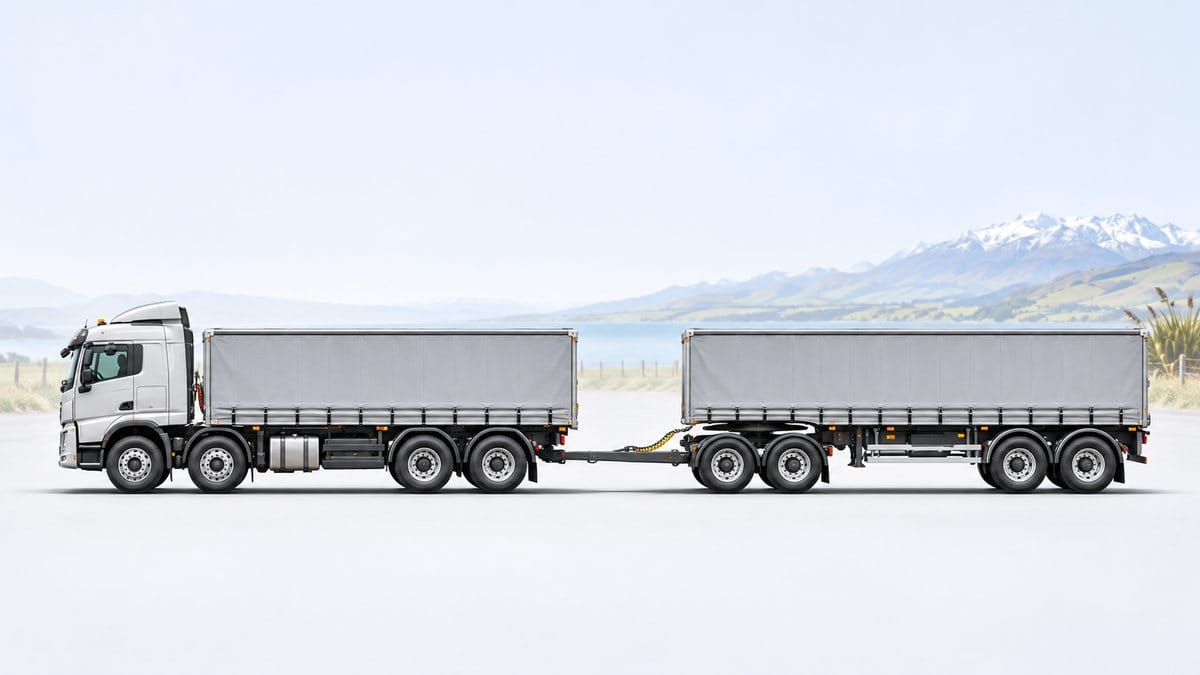
Only two combination types in New Zealand can reach gross weights above 44 tonnes without exceeding axle group limits:
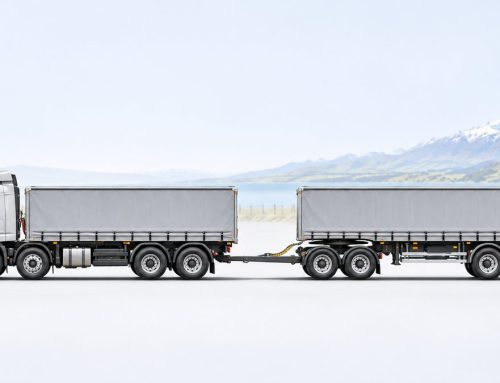
- the truck and full trailer, typically an 8×4 truck with a five-axle trailer
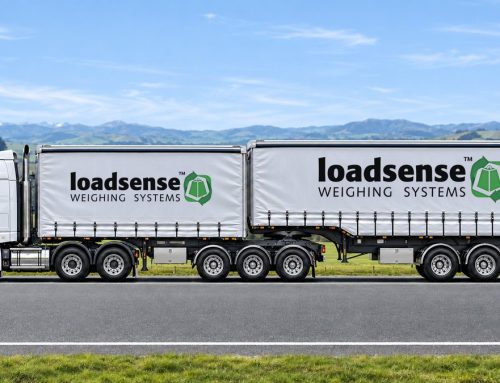
- the B-train, typically a 6×4 tractor with two tri-axle semi-trailers
Axle spacing sets the gross weight
The gross weight available on a 50MAX permit depends on the distance from the first axle to the last axle of the combination:
| First-to-last axle spacing | Maximum gross mass |
|---|---|
| 16.0 m to under 16.8 m | 44 tonnes |
| 16.8 m to under 17.4 m | 45 tonnes |
| 17.4 m to under 18.0 m | 46 tonnes |
| 18.0 m to under 18.6 m | 47 tonnes |
| 18.6 m to under 19.4 m | 48 tonnes |
| 19.4 m to under 20.0 m | 49 tonnes |
| 20.0 m or more | 50 tonnes |
The permit may also specify less than the weight applied for if the vehicle’s ratings show it cannot safely carry the maximum.
50MAX versus higher mass HPMV permits
50MAX works at standard axle limits. It gets to 50 tonnes by adding an axle and length, not by loading each axle harder. Higher mass HPMV permits are different: they allow higher axle and axle group limits, and in exchange the vehicle must stay on the specific route named on the permit. Those higher axle weights cannot be carried off the approved route, even when the vehicle is under 44 tonnes at the time.
Why axle group weighing matters more at 50 tonnes
At 50MAX weights there is very little slack. Nine axles in four groups are each working close to their limit, so a small error in load placement puts a group over. The extra six tonnes of payload is only worth having if it can be loaded accurately at sites with no weighbridge: forestry skids, farms, quarries and stores.
Permit conditions add to this. Running over the permitted weights can put the permit itself at risk, and weigh-in-motion sites on state highways now screen axle groups as well as gross weight.
An onboard scale that reads each of the four groups, twin-steer or steer, drive, and both trailer groups, lets the driver load to the permit and prove it before pulling out. On air suspension that means an air pressure sensor per levelling valve; on mechanical suspension, height sensors that measure spring deflection.
Frequently asked questions
How many axles does a 50MAX truck have?
Nine, across the truck or tractor and its trailer or trailers.
Do I need a permit for 50MAX?
Yes. A 50MAX vehicle operating above general access limits needs a current permit and must comply with its conditions and route restrictions.
Is HPMV the same as 50MAX?
50MAX is one type of HPMV. Other HPMV permits cover higher mass on specified routes and overlength vehicles at standard weights.
More in this series
- NZ truck and trailer configurations: the complete guide
- 4×2 and 6×2 trucks
- 6×4 trucks
- 8×4 trucks
- Truck and trailer combinations
- B-trains
- Semi-trailers
Know every axle group weight before you leave the yard
The Loadsense Titan Pro onboard truck and trailer scale reads each axle group separately and shows the weights on your phone, so you can load to the limit of your configuration with confidence. Try the free axle weight calculator, or contact the Loadsense team on +64 21 447 151 to talk through your truck and trailer setup.
Weights and limits in this article are a general guide, correct to the best of our knowledge in November 2026. Limits depend on tyre type, axle spacing, vehicle ratings and permit conditions, so always confirm against the current Vehicle Dimensions and Mass Rule, NZTA guidance and your own permit. An onboard scale is a loading aid and does not replace a certified weighbridge.